
Anti-Aging Medicine on Long Island – Heart and Health Medical
Our anti-aging department serves patients across five Long Island offices – North Babylon, Massapequa, Levittown, Coram, and Plainview.
The patients who come through our doors range from people in their late 30s noticing hormone shifts they weren’t expecting, to men and women in their 60s looking to reclaim quality of life that’s slipped away gradually. What they share is the same thing: something has changed, and they want to understand it.
This Is Medicine - Not Marketing
The word “anti-aging” has been badly abused. It shows up on face creams, protein powders, juice cleanses, and spa packages.
What we practice here is different. The American Board of Anti-Aging Regenerative Medicine defines this specialty as the clinical application of scientific and medical technologies for the early detection, prevention, treatment, and reversal of age-related disease and dysfunction.
Heart and Health Medical is the only private, physician-owned multi-specialty group practice on Long Island. That means when you come in for anti-aging care, you’re not seeing a nurse practitioner at a standalone aesthetics clinic. You’re seen by a physician who can, if needed, coordinate with our in-house cardiology, endocrinology, or women’s health teams. Aging doesn’t limit itself to one organ system, and our structure reflects that.
We’ve been voted Best of Long Island by our patients. We accept most major insurance plans. New patients are welcome.
What Brings People In
If you’ve been brushing off symptoms as stress or just “getting older,” you aren’t alone – and you might also be wrong. Some of the most treatable conditions we see are ones patients sat on for years because they assumed nothing could be done.
Exhaustion that cannot be overcome by sleep
Not mere fatigue – the one where you get eight hours and still feel sluggish in the morning. Where a night of rest does not set anything. This is commonly hormonal, and this is one of the most prevalent things that we enquire. Patients are even ashamed to raise the issue, as though fatigue is not a legitimate complaint. It is.
Weight that came in and is not going away
Specifically in the mid-section, and specifically in individuals who have not altered their eating and exercising patterns significantly. The hormonal changes alter the location and resistance of the body to fat. The diet tips that worked at 35 may not work at 48, not due to willpower, but because of biological factors. That difference is important in constructing a treatment plan.
Sleep problems
Difficulty in falling asleep, frequent awakening, night awakenings, and rising in the early morning. They are often linked to the levels of progesterone and cortisol and are much more manageable than many patients think. Sleep problems are also a contributing factor to all other issues on this list – they are frequently not a standalone issue.
Mood and mental sharpness
Out of proportion irritability. Something low-grade or flat anxiety that is difficult to explain. The brain fog – that feeling of struggling to find words, or forgetting something in the middle of a sentence. Such symptoms are brushed off time and again.
Skin changes
Sunken eyes, sunken cheeks, age spots, slackness of the jaw and neck. These are cosmetically treatable; in medical practice, we look into what is causing them – collagen production, inflammation, hydration, and hormonal state.
Gender-specific hormonal symptoms
In women: hot flashes, vaginal dryness, irregular menstruation, and libido. In men: loss of strength, loss of sex drive, weight around the midsection that cannot be lost, and lack of motivation. Both are common. Both are treatable.
What We Actually Do
Bioidentical Hormone Replacement Therapy (BHRT)
Hormones govern far more of daily life than most people appreciate until they start declining. Sleep, mood, weight, skin, energy, sexual function, bone strength, heart health – all of it is influenced by your hormonal environment. When estrogen, progesterone, testosterone, thyroid, or DHEA levels drop, the effects don’t stay contained. They spread.
Bioidentical hormones are chemically identical to the hormones your body makes. They come from plant-derived sources and are processed to match human hormone molecules exactly. That’s the meaningful distinction from older synthetic hormone formulations, which the body metabolizes differently.
Before we prescribe anything, we run a full hormone panel. We need your numbers — not just a guess based on your symptoms. Once we have results, your physician reviews them alongside your history and symptoms and recommends a treatment approach. Delivery options include creams, gels, patches, oral capsules, and pellets. Which one makes sense depends on what you’re treating and what works practically for your life.
We monitor you throughout. BHRT requires follow-up labs and dose adjustments. Nobody should be on hormone therapy without a physician checking in regularly.
BHRT carries risks. We’ll tell you what they are. We won’t pressure you to start something you’re not convinced is right for you.

Dermal Fillers
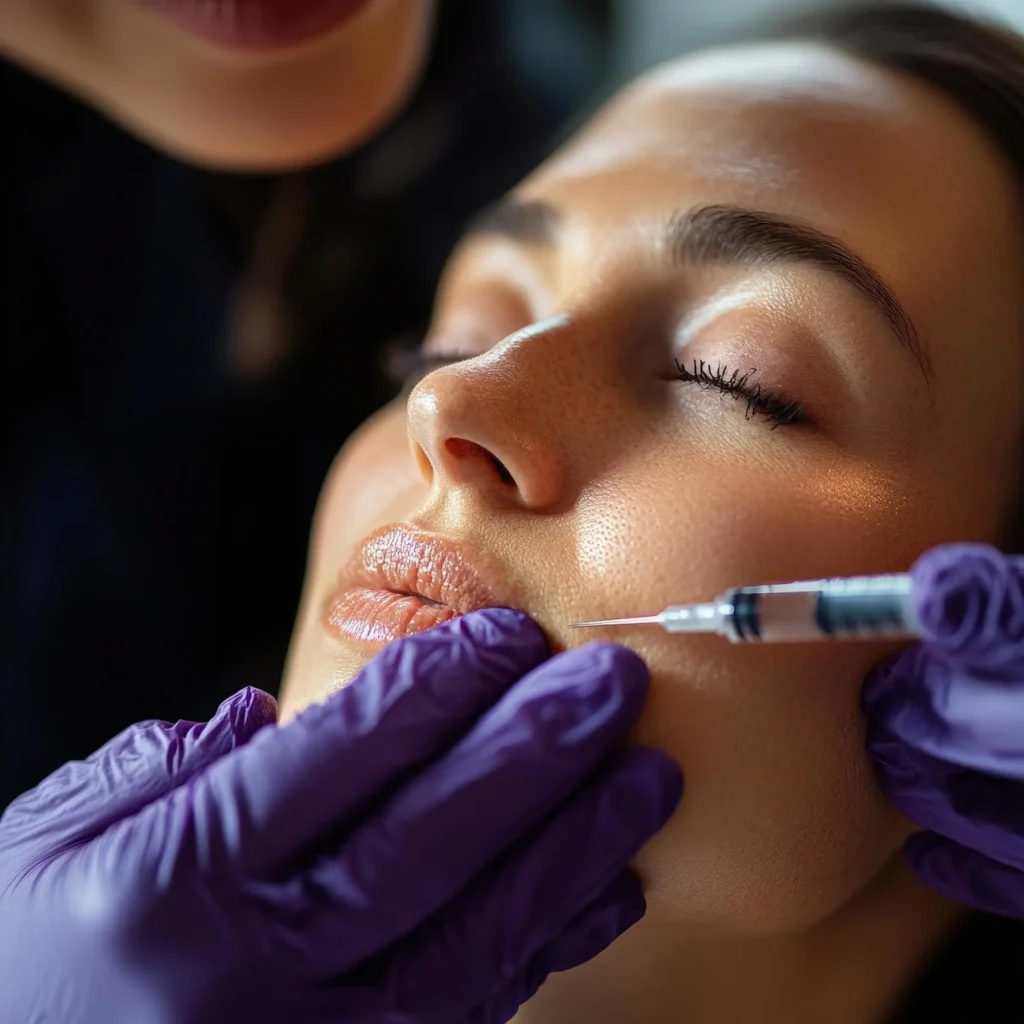
As the face ages, it loses volume. Collagen production slows. Fat pads beneath the skin thin and migrate. The result is hollowing under the eyes and through the cheeks, deeper folds around the mouth, and a general loss of the structural fullness that reads as youth.
Hyaluronic acid fillers replace that volume in targeted areas. They’re injected – precisely, by a trained medical provider – into areas like the cheeks, nasolabial folds, lips, and under-eyes. Results show up immediately. They last from six months to well over a year, depending on the product and placement.
At Heart and Health Medical, these treatments happen in a clinical context. Your provider knows your health history. That matters – certain medications, conditions, and skin histories affect how fillers behave and whether they’re appropriate at all.
Chemical Peels
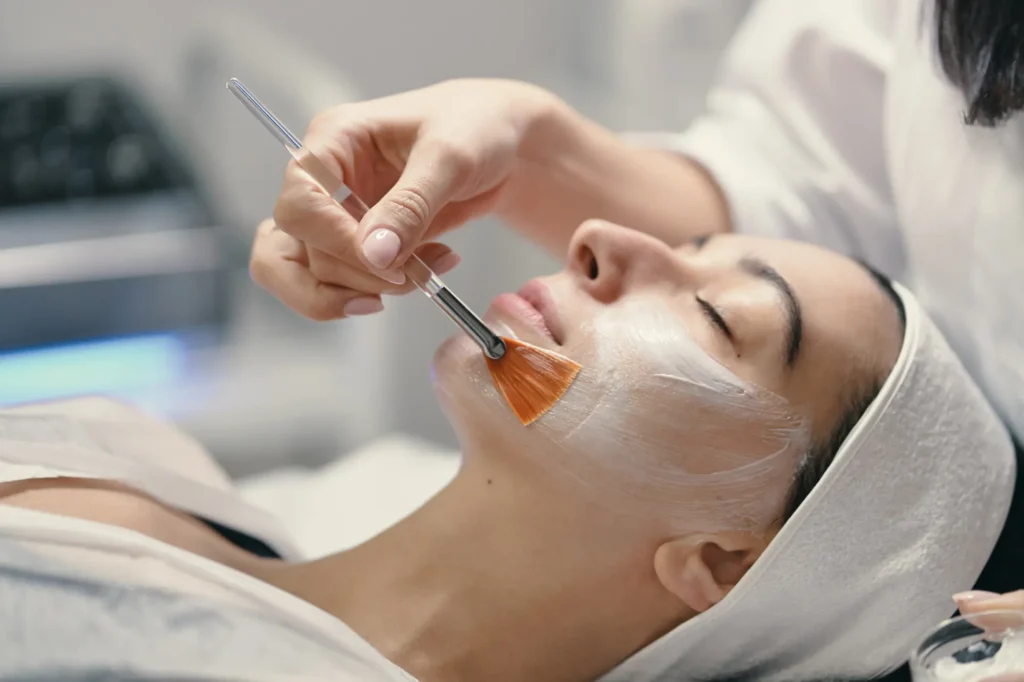
The surface of the skin appears dull, uneven, and lined due to sun damage, exposure to the environment and natural slowing of skin cell turnover. The mechanism of action of chemical peels is to peel off the damaged skin on the surface and stimulate skin regeneration. The lighter peels deal with surface texture and tone. The deeper formulations are aimed at more serious discolouration, lines, and previous sun damage. Your provider will pair the peel with your skin type and your downtime – some peels take a few days to recover, others not.

Nutritional Guidance
The way you eat influences hormone metabolism, inflammation, insulin sensitivity, and skin health.
The usefulness of nutrition in a medical anti-aging setting is that it becomes linked to your actual labs.
In case your blood tests reveal that you are insulin-resistant, then your dietary advice covers this. When markers of inflammation are high, we discuss the eating patterns that lead to that and how to change.
Supplement Support
We recommend supplements based on what your bloodwork actually shows is depleted or suboptimal – not as a general wellness add-on. Medical-grade products have verified potency and purity that most commercial supplements don’t. When a supplement is part of your plan, there’s a clinical reason for it.


Weight Management
Weight in the context of aging is a metabolic and hormonal issue as much as a lifestyle one. We address it medically: looking at what’s driving the difficulty, whether that’s hormonal, inflammatory, or related to insulin function, and building a plan that accounts for those factors. For some patients, prescription medication is part of the approach. For others, it’s restructuring eating patterns alongside hormone therapy. The path is different for every patient.
Five Locations Across Long Island
North Babylon
1350 Deer Park Avenue, North Babylon, NY 11703
(631) 482-1355
Massapequa
6175 Sunrise Highway, Massapequa, NY 11758
(516) 804-2100
Levittown
1 Center Lane, Levittown, NY 11756
(516) 550-7223
Coram
3650 Route 112, Coram, NY 11727
(631) 345-6670
Plainview
1070 Old Country Road, Plainview, NY 11803
(516) 364-8600
Monday through Friday, 9:00 AM to 5:00 PM
FAQs
Hormone levels begin shifting for many people in their mid-to-late 30s. Catching that early, before symptoms compound, is exactly what this kind of medicine is for. If you’re feeling it, it’s worth checking out – not in ten years, now.
You talk to a physician. They ask about your symptoms, your history, your sleep, your weight history, your cycle if relevant, your medications. Based on that conversation they’ll likely order bloodwork – a hormone panel, thyroid markers, metabolic indicators. When results come back, you discuss what they show and what your options are. Nobody’s rushing you toward a treatment plan on the first visit.
Blood tests. A panel of measurements of the hormones involved in causing your symptoms will be ordered by your physician – normally estrogen, progesterone, testosterone, cortisol, thyroid hormones and DHEA at least. The outcomes inform us about what is low, what is high and what is worth working on.
Fillers, same day. Hormone therapy typically takes four to six weeks before patients notice real changes in energy and sleep, with body composition following more slowly over several months. We’ll tell you what to expect for whatever we’re recommending before you start.
We accept most major insurance. Medical visits and bloodwork tied to diagnosed hormonal conditions are often covered. Cosmetic procedures generally are not. Call the location closest to you before your appointment – our staff will tell you exactly what your plan covers so there are no surprises.
All the time. Testosterone declines steadily in men from about age 35 onward. By the late 40s and 50s, that decline shows up as fatigue, weight gain around the middle, reduced drive, muscle loss, and mood changes. We work through all of it.
At a med spa, you’re typically choosing from a service menu. Here, everything we recommend is grounded in your medical history and your bloodwork. The physician overseeing your care is the same one who reviewed your labs. If a filler treatment isn’t right for you given something in your history, we’ll say so. That clinical context is the difference.