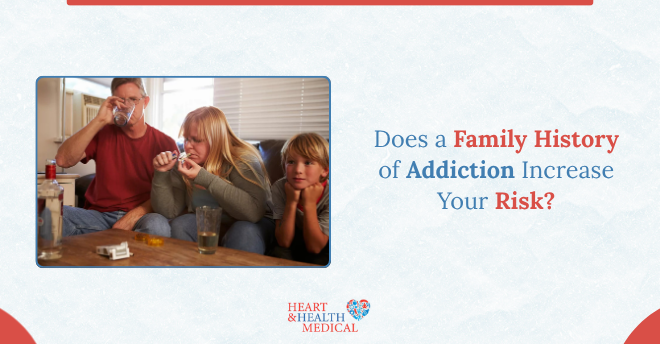
Many health conditions can run in families, including heart disease, diabetes, high blood pressure, and substance use disorders. If a parent, sibling, or close relative has struggled with addiction, you may wonder whether you are destined to face the same challenge.
The answer is no. While a family history of addiction can increase your risk, it does not determine your future. Understanding your risk factors can help you make informed decisions and take steps to protect your health.
Understanding Addiction
Addiction, also known as a substance use disorder, is a chronic medical condition that affects the brain’s reward, motivation, and self-control systems. It can lead to the compulsive use of alcohol, prescription medications, or illicit drugs despite negative consequences to a person’s health, relationships, career, and overall well-being.
Like other chronic illnesses, addiction often requires professional medical treatment, ongoing support, and lifestyle changes to achieve long-term recovery.
The Role of Genetics
Research has shown that genetics play a significant role in addiction risk. According to the National Institutes of Health, genetic factors may account for approximately 40% to 60% of an individual’s susceptibility to developing a substance use disorder.
Certain inherited traits can influence:
- How a person responds to alcohol or drugs
- How strongly the brain experiences reward or pleasure
- Impulse control and decision-making
- Vulnerability to stress and anxiety
However, inheriting a genetic predisposition does not mean a person will develop an addiction. Genetics may increase risk, but they do not determine outcomes.
Environmental Factors Matter Too
While genetics contribute to addiction risk, environmental factors often play an equally important role.
Factors that may increase the likelihood of substance misuse include:
High Levels of Stress
Chronic stress from work, school, financial pressures, or personal relationships can increase the risk of turning to substances as a coping mechanism.
Early Exposure to Alcohol or Drugs
The developing brain is particularly vulnerable to the effects of substances. Individuals who begin using alcohol or drugs during adolescence have a higher risk of developing addiction later in life.
Mental Health Conditions
Depression, anxiety, post-traumatic stress disorder (PTSD), and other mental health conditions are associated with an increased risk of substance use disorders.
Social Influences
Friends, family members, and social environments can influence attitudes and behaviors regarding alcohol and drug use.
How to Reduce Your Risk
If addiction runs in your family, there are proactive steps you can take to protect your health.
Learn Your Family History
Understanding your family’s medical history can help you recognize potential risks and make informed healthcare decisions.
Avoid Early Substance Use
Delaying alcohol and drug use until adulthood can significantly reduce the risk of developing substance use disorders.
Build Healthy Coping Skills
Regular exercise, meditation, hobbies, adequate sleep, and strong social connections can help manage stress in healthy ways.
Surround Yourself with Positive Influences
Supportive relationships with family members, friends, mentors, and healthcare professionals can reduce risk and encourage healthy choices.
Seek Help Early
If you notice concerning patterns related to alcohol, prescription medications, or recreational drugs, speaking with a healthcare professional early can prevent small problems from becoming serious health concerns.
Warning Signs to Watch For
Consider seeking medical advice if you notice:
- Difficulty controlling substance use
- Increasing amounts needed to achieve the same effect
- Strong cravings or urges to use
- Neglecting responsibilities at work, school, or home
- Continuing use despite negative consequences
- Withdrawal symptoms when attempting to stop
Early intervention often leads to better outcomes and more successful recovery.
The Importance of Prevention
Having a family history of addiction is not a life sentence. Knowledge is one of the most powerful tools for prevention. By understanding your risk factors, making healthy choices, and seeking support when needed, you can significantly reduce your likelihood of developing a substance use disorder.
How Heart & Health Medical Can Help
At Heart & Health Medical, we believe that prevention is the foundation of lifelong wellness. Our healthcare team works closely with patients to identify risk factors, address mental and physical health concerns, and provide guidance for healthier living.
If you have concerns about addiction, family history, mental health, or substance use, we encourage you to speak with one of our healthcare professionals. Early awareness and proactive care can make a meaningful difference.
Frequently Asked Questions
Is addiction hereditary?
Genetics can increase a person’s risk of developing a substance use disorder, but addiction is influenced by both genetic and environmental factors.
If addiction runs in my family, will I become addicted?
No. A family history increases risk but does not guarantee that you will develop an addiction.
What is the best way to reduce my risk?
Avoid early substance use, manage stress in healthy ways, maintain strong social support, and seek medical guidance if concerns arise.
When should I seek professional help?
If you are struggling to control alcohol or drug use, experiencing cravings, or noticing negative effects on your health, relationships, or daily life, it is important to seek professional evaluation as soon as possible.